
MPTA Advances Transit Budget and Planning Efforts
At its April 16, 2026 meeting (view here), the Metropolitan Public Transportation Authority (MPTA) Board continued building momentum on its transition to a new regional transit governance model. Together, the MPTA board members are advancing key committee work, moving forward on the FY2027 budget, and outlining opportunities for public input in the weeks ahead.
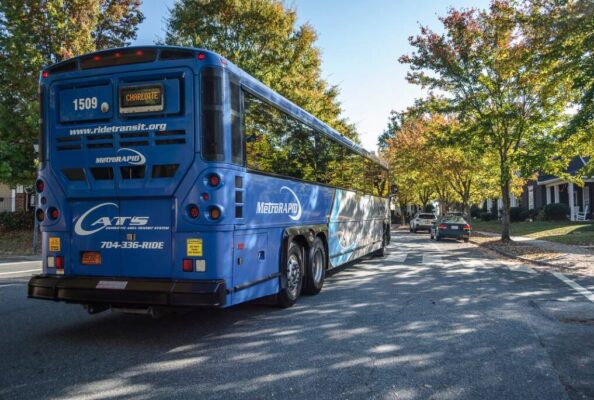
CATS will transition from a City of Charlotte department to the MPTA (photo: Charlotte Observer)
Key Committee Progress
- Finance & Audit Committee has advanced the FY2027 budget through review and is preparing for final approvals. The committee is also working through financial policies, procurement questions, and the transition of tax revenue collection responsibilities from the City of Charlotte to MPTA.
- Operations & Safety Committee is focusing on implementing recommendations from a recent Federal Transit Administration (FTA) safety audit, strengthening accountability reporting, and ensuring transit service is equitable, accessible, and responsive to rider needs. Members also supported adding public comment opportunities at the committee level.
- Planning & Capital Projects Committee held its first meeting and is shaping policies around inclusive procurement, anti-displacement, and community partnerships. The committee also received updates on the Better Bus Plan and emphasized the need for transparent project tracking and strong community engagement—especially for major projects like the Silver Line.
Budget Moves Forward
The board voted to advance the proposed FY2027 transit budget to the City of Charlotte for consideration. The budget prioritizes:
- Expanded bus service and microtransit
- Increased safety investments
- Maintenance and reliability improvements
- Continued planning and design work for major rail projects
Final adoption will require approval from multiple bodies, including MPTA, the Metropolitan Transit Commission (MTC), and the City of Charlotte.
Bus Shelter Concerns Raised
A recurring theme throughout the meeting was the urgent need to accelerate bus shelter installation across the system. Multiple board members emphasized that shelters are a visible, tangible improvement riders are eager to see.
Members acknowledged the complexity of delivering shelters due to right-of-way constraints, ADA requirements, and site preparation. They stressed the importance of maintaining high-quality, consistent standards as the program expands. Staff committed to returning with a plan outlining how installation could be sped up, including potential changes to contracting and delivery approaches.
Transition to MPTA Structure Underway
Consultants from EY (Ernst & Young) formally launched their work supporting MPTA’s transition to an independent transit authority, with a target “go-live” date of July 1, 2026. Work is being organized across multiple areas including governance, finance, HR, and operations, with regular updates expected to flow to the board.
Key Dates & Next Steps
Several important dates are coming up:
- April 22 – Operations & Safety Committee meeting
- April 22 – Executive Committee meeting (following OSC)
- April 28 at 6:30 PM – Special MPTA meeting to set the budget public hearing
- April 30 – Budget submitted to the City of Charlotte
- June (date TBD) – Final budget adoption following public hearings
Public Input Opportunities
Public engagement remains a core part of the process:
- Residents can attend and speak at upcoming MPTA meetings and committee meetings, which are open to the public.
- A public hearing on the FY2027 budget will be scheduled soon, providing a formal opportunity for community feedback before final adoption.
- Community members are encouraged to stay informed through MPTA’s website and meeting materials, and to share priorities—such as bus shelters, service improvements, and safety—with board members.
As MPTA continues to take shape, decisions made now—especially around funding priorities and project delivery—will have lasting impacts on the future of transit in Charlotte. The coming weeks will be critical for both board action and public engagement.